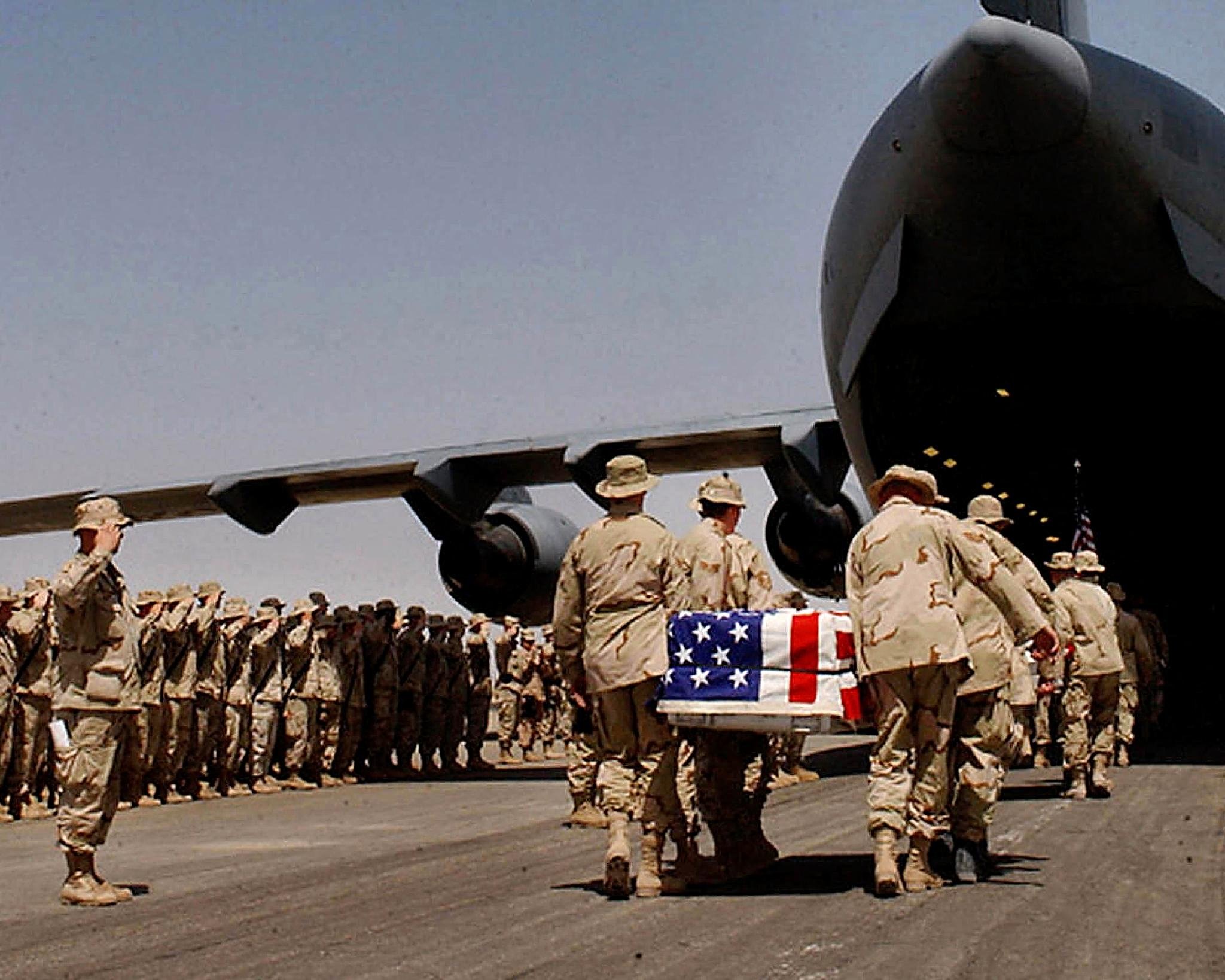
The Iraq War and the Afghanistan War stand as two defining chapters in America’s modern military history—separate in time, yet connected by the service, sacrifice, and resilience of the men and women who answered their nation’s call. Each conflict arose from a different moment in world affairs, but both demanded courage on distant battlefields and strength on the home front.
For those who deployed, these wars placed extraordinary demands on American servicemembers. The battlefields bore little resemblance to those faced by earlier generations. Instead of defined fronts or identifiable enemy formations, troops operated in environments where danger was woven into the fabric of daily life—crowded city streets, remote valleys where insurgents moved freely, and rural roads seeded with hidden explosives. The constant threat of IEDs, ambushes, and attacks from an enemy who blended into the population created a level of vigilance that rarely eased, even outside the wire.
Unlike previous conflicts, Iraq and Afghanistan required repeated deployments and the emotional burden of fighting in places where the line between combat zone and community was blurred. For many, the battlefield was not a distant front but the neighborhood they patrolled every day. That reality shaped both the intensity of their service and the weight they carried home. Even after returning, reintegration was often complicated by visible and invisible wounds—injuries, traumatic stress, and the challenge of stepping back into lives that had changed in their absence.
Across both wars, Gold Star families bear the most profound burden of all. Their loss came not only with the grief of a life cut short, but with the knowledge that their loved one’s sacrifice unfolded far from home, in conflicts that demanded extraordinary endurance from a small percentage of Americans. Communities across the country, including McHenry County, feel the absence of these young men and women whose futures were bound up in service. Their sons and daughters, husbands and wives, brothers and sisters served in distant lands so others could live in peace. Their sacrifice is now part of our nation’s history, and their families remain the guardians of their legacy.