Crystal Lake, IL.
Date of Birth: 4 August, 1920
Date of Death: 18 May, 1945
Branch of Service: United States Marine Corps
Rank: First Lieutenant
Unit: Company F, 2nd Battalion, 29th Marines, 6th Marine Division
Place of Death: Okinawa Shima, Ryukyu Islands, Western Pacific Ocean
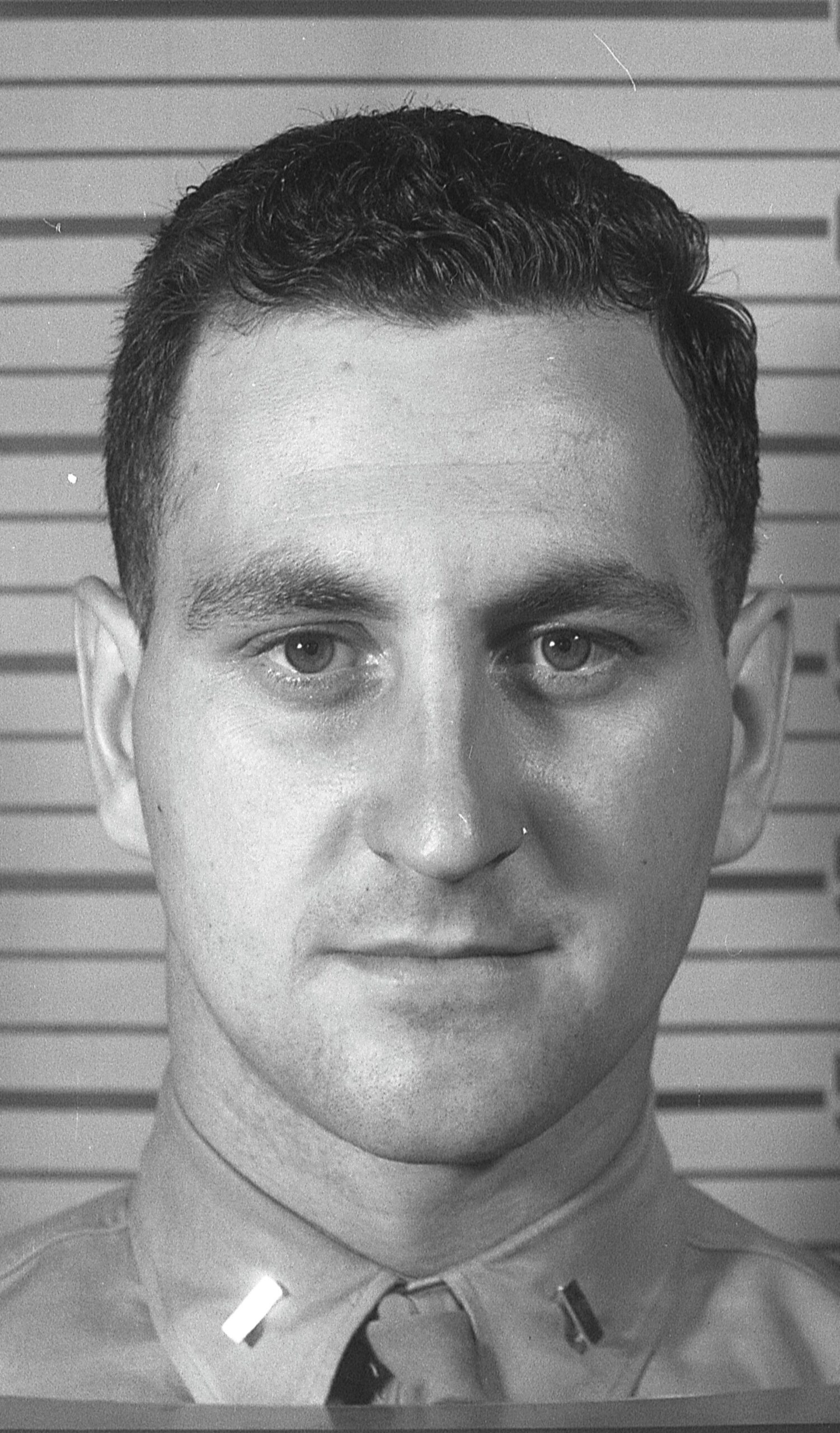
First Lieutenant Charles E. Behan
Navy Cross Recipient
Sugar Loaf Hill. The name alone evokes memories of one of the most brutal battles in the Pacific Theater. For ten days in May 1945, American Marines fought to capture this seemingly insignificant piece of Okinawan real estate—a small, dome-shaped hill rising just fifty feet above the surrounding terrain. What made Sugar Loaf so deadly was not its height but its strategic position at the center of a defensive triangle, reinforced by two other hills and honeycombed with Japanese fortifications. By the time the hill was finally secured on May 18, it had become what one historian called “the most critical local battle of the war.”
For Second Lieutenant Charles Edwin Behan of Crystal Lake, Illinois, Sugar Loaf Hill would be his final battlefield. Born on August 4, 1920, in Crystal Lake, Charles grew up in the small farming community of McHenry County. By the time he registered for the draft at age 21, he was attending Northern Illinois State Teachers College in DeKalb while working for the Cyclone Fence Company. His registration card listed his residence as R.F.D. 1, Crystal Lake, with his father, C.E. Behan, as the person who would always know his address.
Behan joined the United States Marine Corps Reserve and, by May 1945, had risen to the rank of Second Lieutenant, serving as a platoon leader in Company F, 2nd Battalion, 29th Marines, 6th Marine Division. On May 18, 1945, Lieutenant Behan’s platoon was preparing for yet another assault on Sugar Loaf Hill. As they moved into position, enemy shrapnel struck Behan in the mouth. After receiving first aid, he refused evacuation and remained with his men. Though unable to speak, he directed his platoon’s movements through arm and hand signals.
To ensure his men could see his signals clearly, Behan took an exposed position well in front of the platoon. Leading the attack through withering enemy fire, he was hit again—this time mortally wounded. Despite his grievous injuries, he dragged himself behind a rock and continued conveying instructions to his men, directing the attack until he lost consciousness.
Second Lieutenant Charles Edwin Behan died on May 18, 1945, on Okinawa. He was 24 years old. For his extraordinary heroism, Behan was posthumously awarded the Navy Cross. The citation, issued by Commander in Chief Pacific Forces on January 19, 1946, praised his “daring initiative, staunch leadership, extreme fortitude and perseverance in the face of overwhelming odds.” It concluded: “His courageous and unfaltering devotion to duty was in keeping with the highest traditions of the United States Naval Service. He gallantly gave his life for his country.”
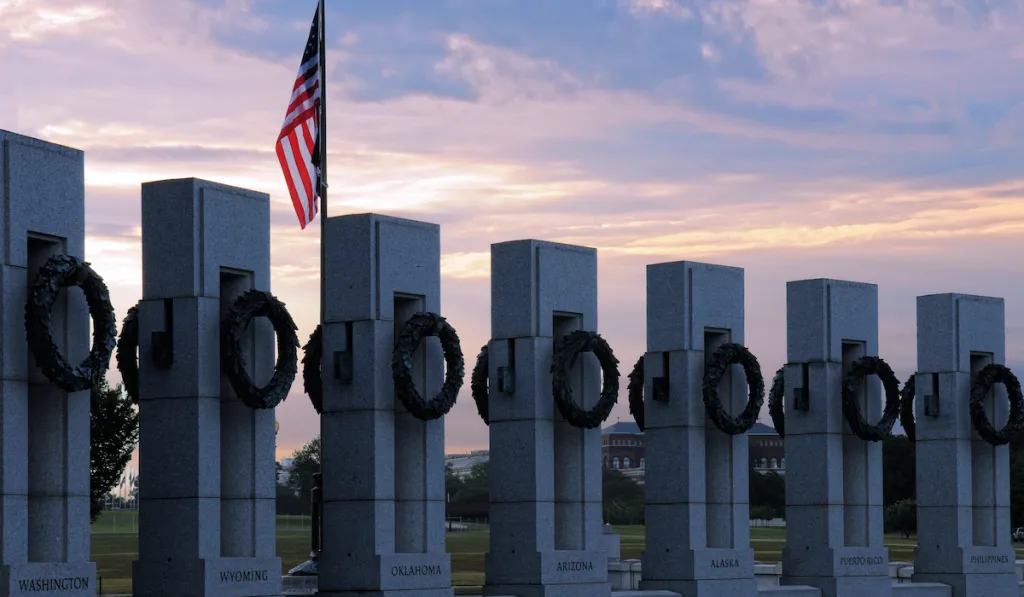
Lieutenant Behan’s name is inscribed on the Okinawa Peace Memorial in Japan, alongside thousands of other Americans who fell during the battle for the island. He is also memorialized on the WW2 Roster of U.S. Dead and honored at various memorial sites commemorating those who served in the 6th Marine Division.
His grave marker reads simply: “Charles Edwin Behan, Illinois, 1st Lt 29 Marines 6 Marine Div, World War II, Aug 4 1920 May 18 1945.”
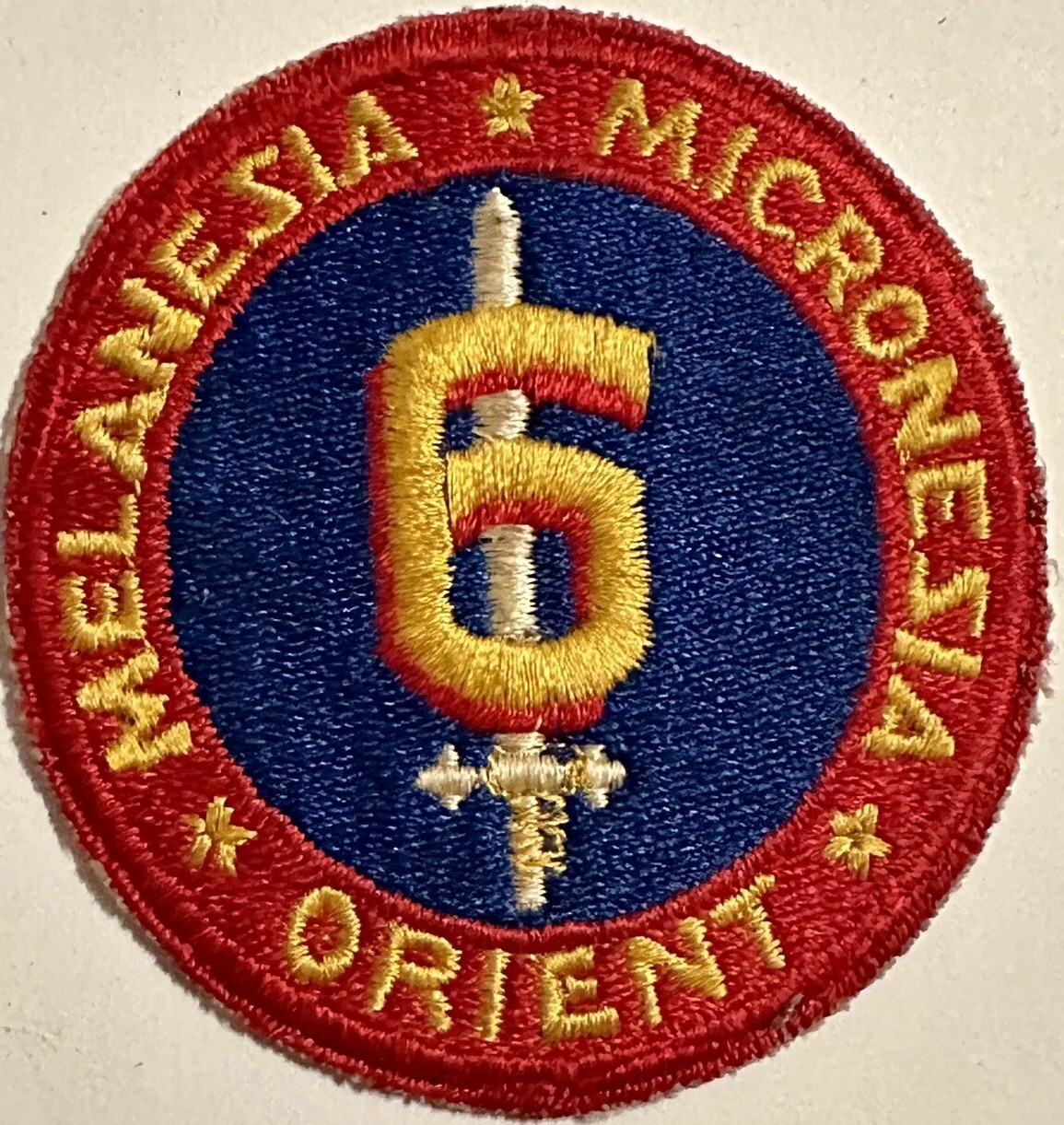
6th Marine Division
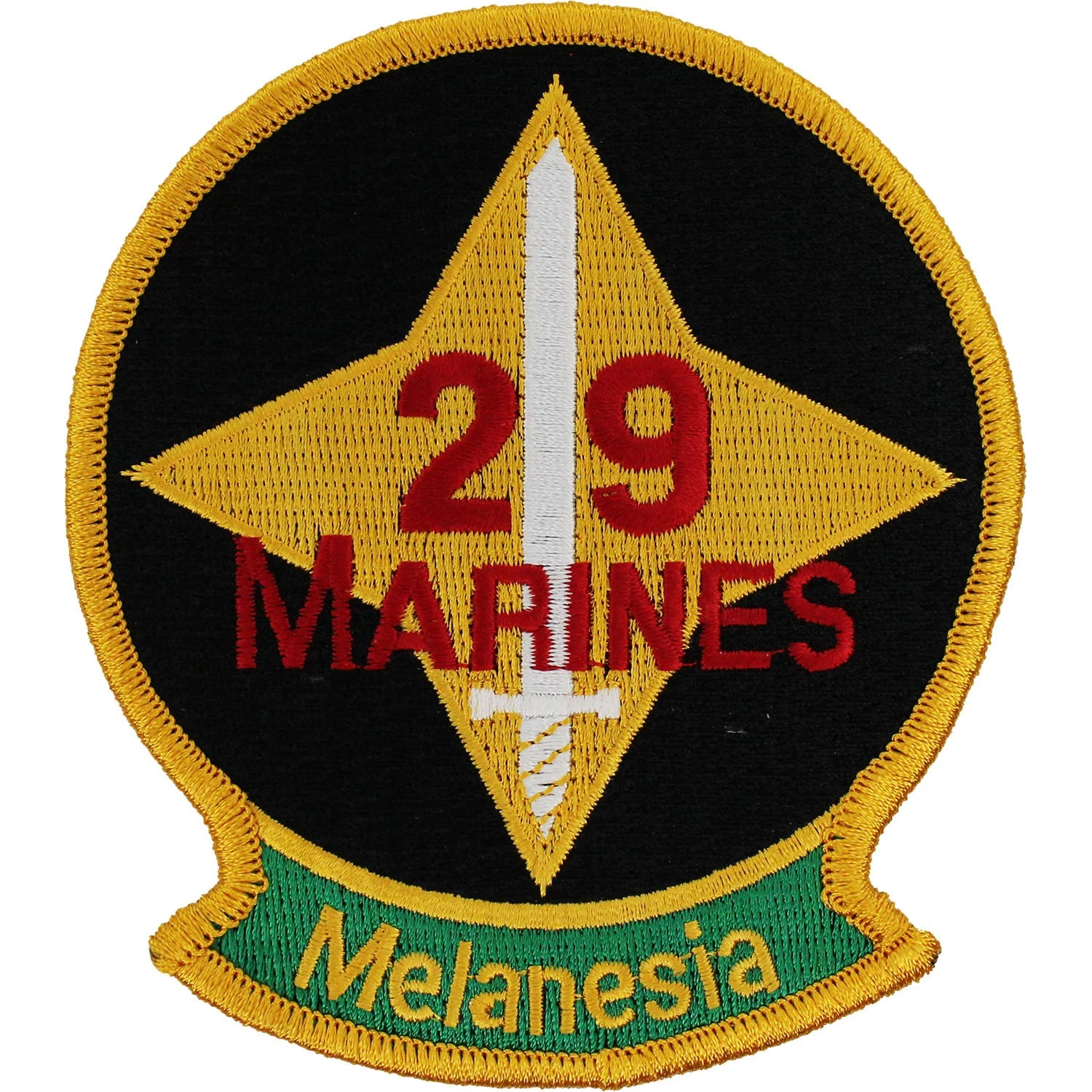
29th Marines
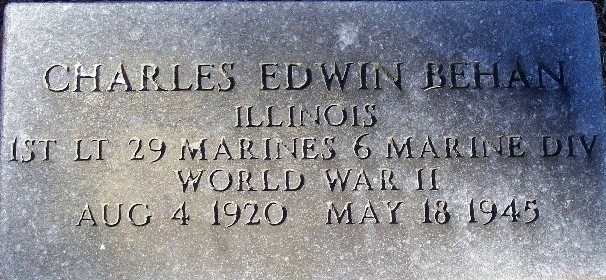
Union Cemetery
Crystal Lake, McHenry County, IL.
To visit the cemetery, click on his Headstone