Woodstock, IL.
Date of Birth: 24 February, 1921
Date of Death: 20 November, 1943
Branch of Service: United States Marine Corps
Rank: Private First Class
Unit: Company C, 2nd Assault Amphibious Tank Battalion, 2nd Marine Division, FMF
Place of Death: Betio Island, Tarawa Atoll, Gilbert Islands, central Pacific Ocean
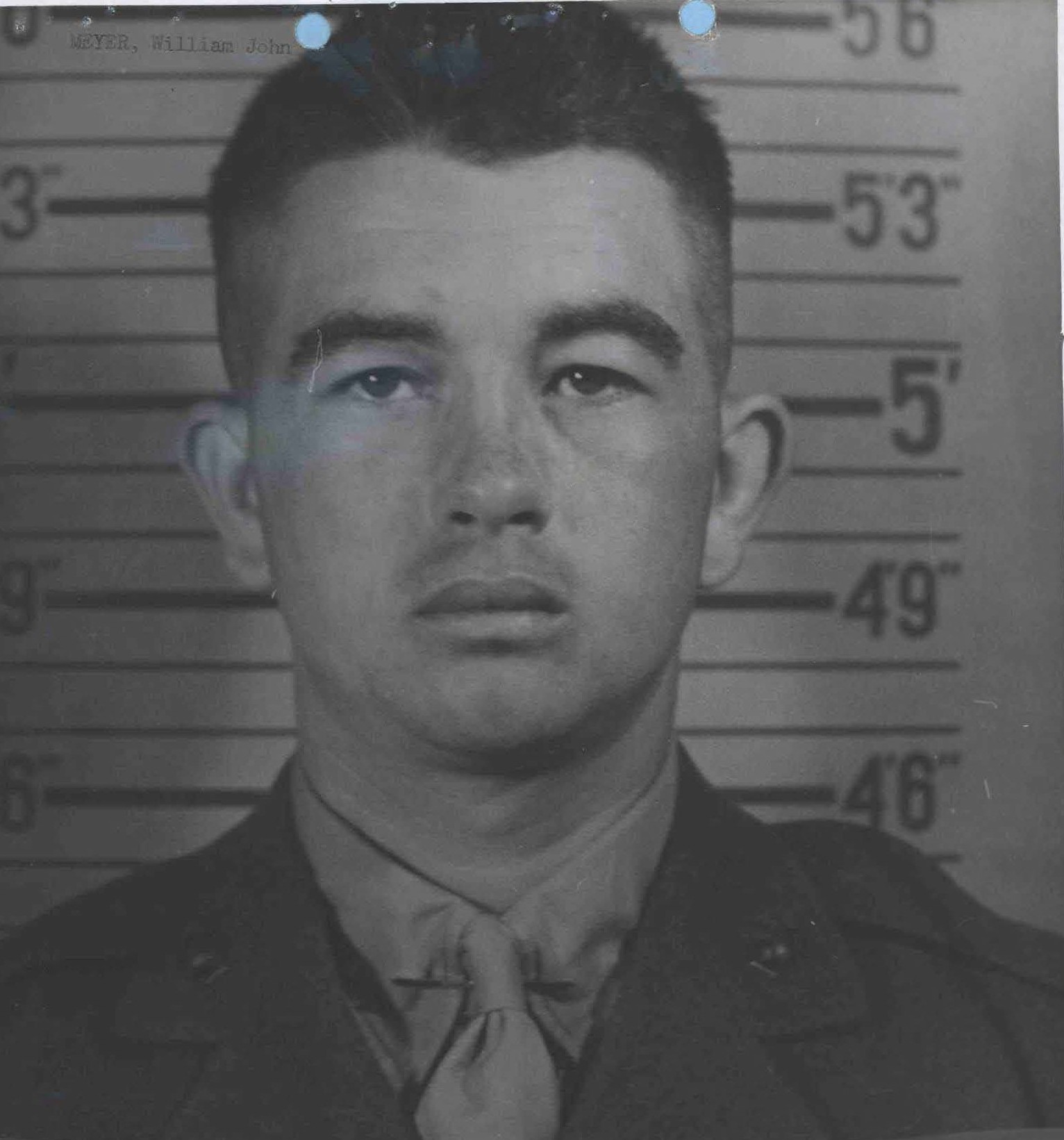
Private First Class William J. Meyer
A DeKalb man by birth, William John Meyer was born February 24, 1921, and died November 20, 1943 — eight days short of his twenty-third birthday. Before becoming a Marine, he had lived in Woodstock and worked at Simonds Saw and Steel Co., a tool manufacturer still in operation today.
At 5’6″ and 148 pounds, with a noted slight build, blue eyes, and dark hair, he enlisted on August 4, 1942. After completing basic training, William was assigned to Charlie Company of the 2nd Amphibian Tractor Battalion. As part of the massive island-hopping campaign through the western Pacific, his unit participated in the Battle of Tarawa. After 76 bloody, relentless hours, the Marines were victorious — but the cost was devastating. More than 1,000 Americans were killed, and the defending Japanese garrison of roughly 4,690 soldiers and Korean laborers was nearly wiped out. William Meyer did not live to see the flag rise.
Killed in action on Tarawa Atoll in the Gilbert Islands, he was buried alongside his comrades on the island. In that initial burial, he had been identified only as “Unknown X-268,” laid between a Private Stoutenberg and X-267.
After the war ended, the United States got to work sorting through records and recovering its dead, resolving mysteries and providing finality to grieving families. Meyer’s remains were disinterred on January 13, 1947, and transferred to Hawaii’s Schofield Mausoleum. Nearly two years later, through careful assessment and analysis of dental records, what had been X-268 was identified once again as PFC William Meyer.
On May 23, 1949, commuters were returning home from Chicago on the 5:30 p.m. train into Woodstock station. The post-war boom had brought peace and prosperity across the land. Hope blossomed, and young men and women grasped their dreams and each other. Alongside them on that train, what remained of PFC Meyer arrived as well — accompanied by a military escort and quiet reverence — to 315 Hayward Street and his mother, Meta. He was finally home. William’s final and lasting burial was at Memorial Park Cemetery.
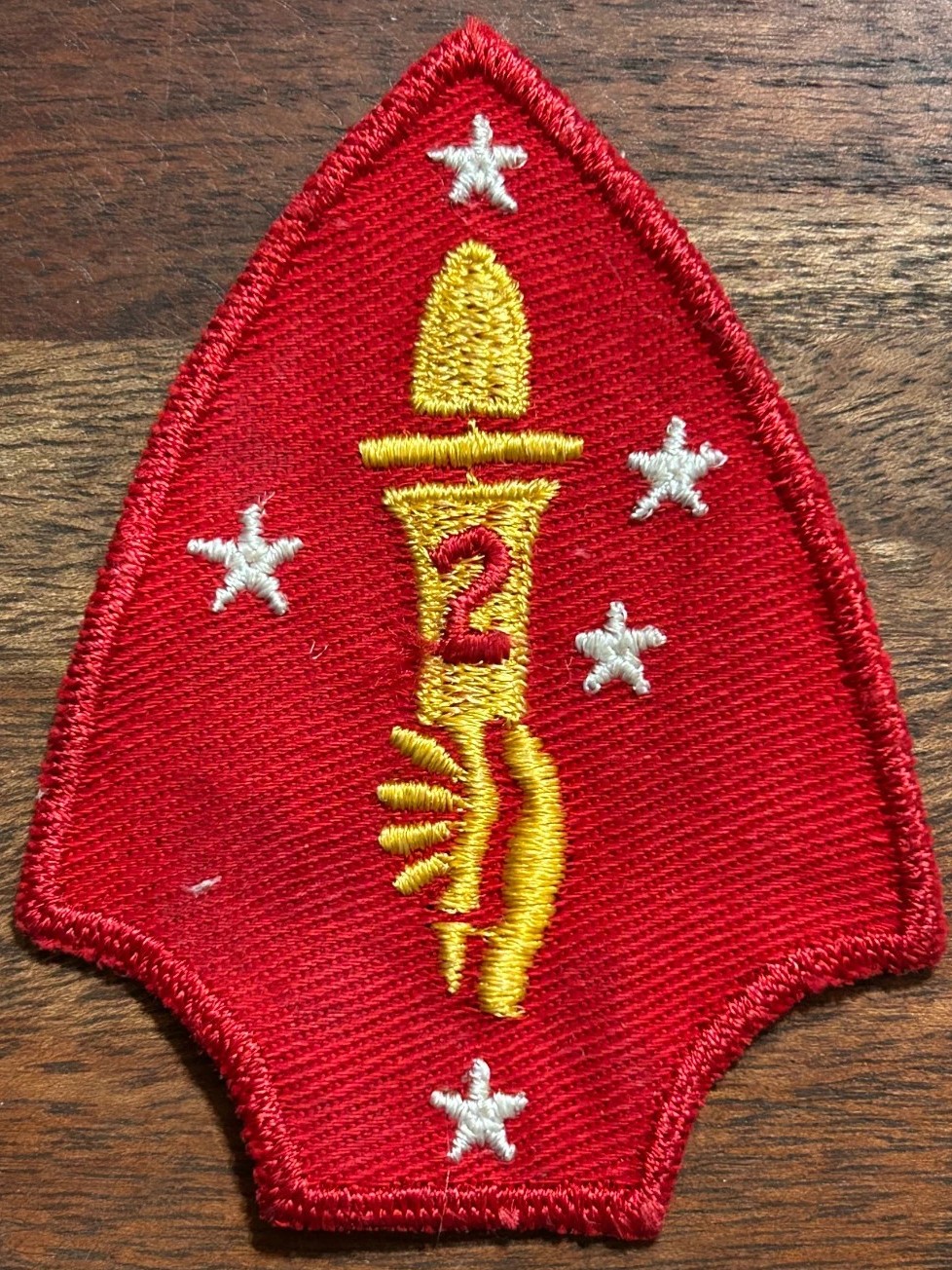
2nd Marine Division
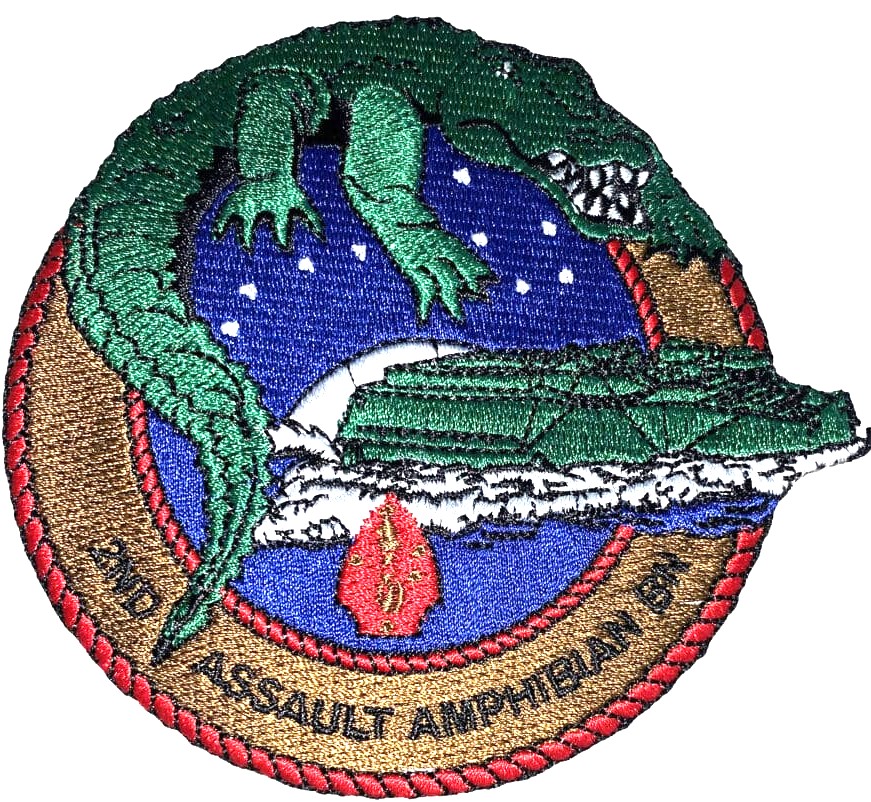
2nd Assault Amphibious Tank Battalion
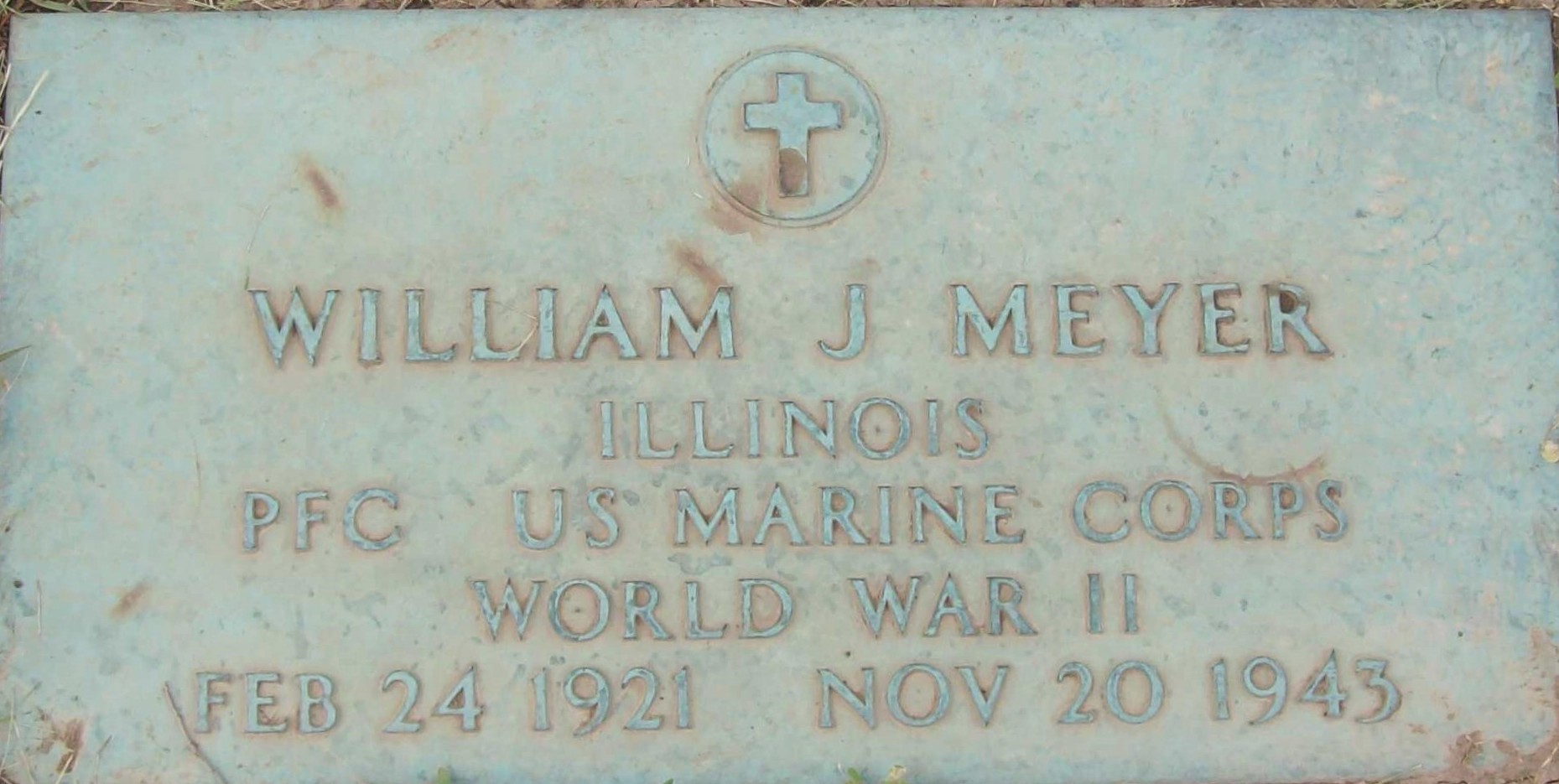
McHenry County Memorial Park
Woodstock, McHenry County, IL.
To visit the cemetery, click on his Headstone