Woodstock, IL.
Date of Birth: 10 January, 1903
Date of Death: 7 December, 1944
Branch of Service: United States Army
Rank: Sergeant
Unit: Battery H, 60th Coast Artillery Regiment, Coast Artillery Corps
Place of Death: Hoten POW Camp, Mukden, Manchuria, northeast China
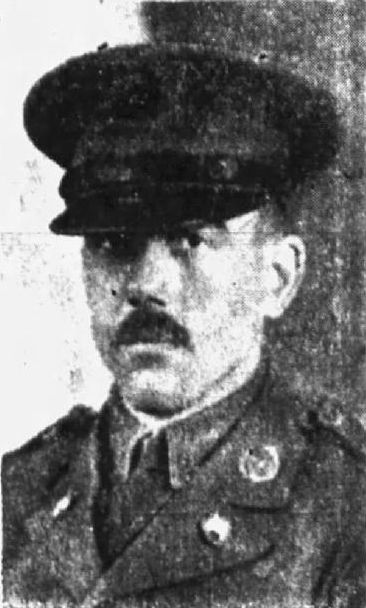
Sergeant Roy J. Long
Roy J. Long was forty-one years old when he died — a prisoner of war in Manchuria, killed not by his captors but by his own country’s bombers.
Born on January 10, 1903, in Illinois, Long grew up in Woodstock and worked in electroplating before enlisting in the Army Coast Artillery Corps on April 3, 1941. He was assigned to Battery D, 60th Coast Artillery, Anti-Aircraft — one of the units that would bear the full weight of the Pacific War’s opening catastrophe.
When Japan launched its invasion of the Philippines in December 1941, Long and the men of the 60th Coast Artillery were among those who fought to hold the islands against overwhelming Japanese forces. They endured months of brutal combat on dwindling rations and failing supplies before the fall of Bataan in April 1942 and Corregidor in May. Long survived both surrenders and was taken prisoner by the Japanese. By January 1943, his status had been confirmed through the International Red Cross: he was alive and held at the Hoten POW Camp in Mukden, Manchuria — a facility that housed roughly 1,400 American prisoners, most of them survivors of Bataan and Corregidor.
Life at Hoten was defined by cold, hunger, forced labor, and the constant threat of punishment. Temperatures outside routinely dropped to twenty or thirty degrees below zero. Prisoners were assigned to work shifts at nearby Japanese factories, manufacturing airplane parts and other war materiel. Mail was heavily restricted, and letters from home were sometimes held for two years before being delivered.
By late 1944, American B-29 bombers had begun striking Japanese industrial targets across Manchuria. On December 7, 1944 — three years to the day after the attack on Pearl Harbor that had set the war in motion — American bombs struck the area around Hoten Camp. The camp itself was hit. Nineteen prisoners were killed. Roy Long was among them. He was identified by his POW number on his clothing.
He was first buried at the camp cemetery in Mukden with a wooden cross marker. After the war, his remains were eventually transferred to Schofield Barracks Cemetery in Hawaii before his final interment on February 3, 1949, at Honolulu National Cemetery, where his headstone reads: SGT 60 COAST ARTY — JAN 10 1903 — DEC 7 1944
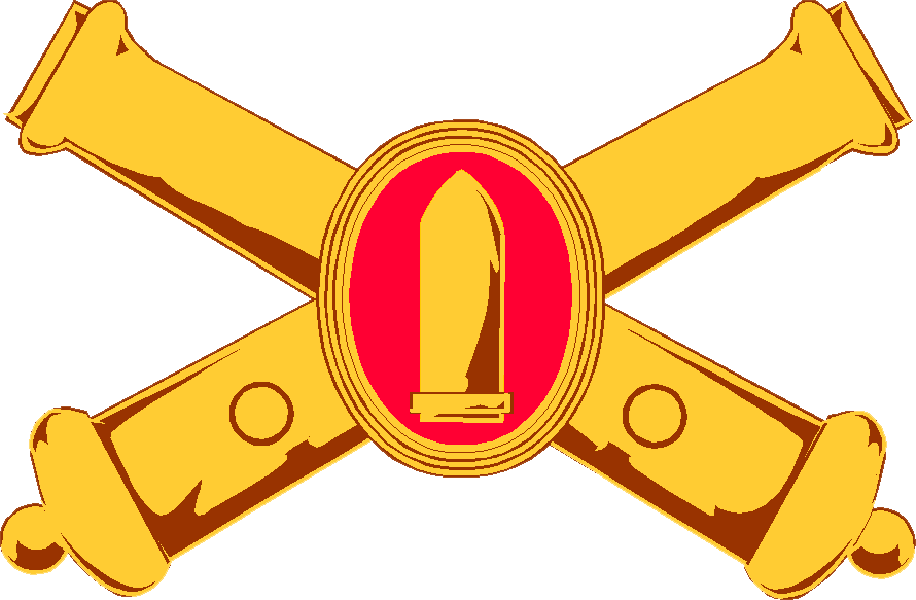
Coast Artillery Corps
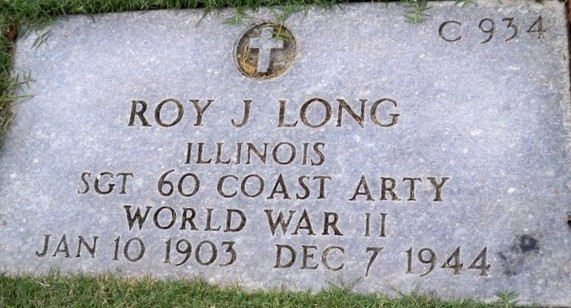
National Memorial Cemetery of the Pacific
Honolulu, Honolulu County, Hawaii
Also known as the Punchbowl Cemetery
To visit the Cemetery, click on his Headstone